
Think about how many things you touch every day: your phone screen, car dashboard, kitchen counters, or even a pair of glasses. All of these surfaces are constantly under attack from fingerprints, scratches, spills, and everyday wear. To combat this, innovators have been turning to nano coating technology, an invisible layer designed to protect items without changing how they look or feel.
Why Everyday Surfaces Need More Protection
No matter how careful we are, surfaces naturally wear down. Oils from our skin, accidental spills, and friction from daily use leave marks that slowly strip away the “new” look. Traditional protective solutions—like bulky cases, wraps, or constant cleaning—often trade appearance for practicality. The push now is for smarter protection that we don’t have to think about at all.
That’s where microscopic coatings come in. They’re designed to work quietly in the background, preserving surfaces while staying completely invisible.
The Everyday Benefits
These coatings aren’t just about keeping things shiny. They offer several practical benefits that make life easier:
- Stain resistance – Food splatters and drink spills don’t stick as easily.
- Smudge reduction – Surfaces stay clearer for longer, especially screens and glass.
- Water repellence – Droplets bead and roll off instead of leaving streaks.
- Durability – Items last longer with fewer scratches and less wear.
The beauty of these benefits is that they make small, daily tasks—like wiping a counter or cleaning glasses—simpler and less frequent.
Where You’re Most Likely to See It
You may already own products that rely on microscopic protective layers without realising it. Some of the most common uses include:
- Smartphones and laptops – screens that are easier to clean and less prone to scratches.
- Kitchen appliances – stainless steel fridges and ovens that resist fingerprints.
- Eyewear – lenses that stay clearer between cleanings.
- Automotive interiors – glossy dashboards and touchscreens that stay smudge-free.
As these coatings become more common, they’re expanding into furniture, textiles, and even medical equipment.
How It Actually Works
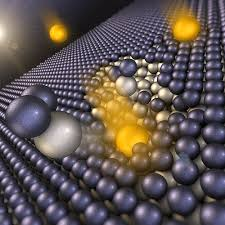
At its core, this protection relies on altering the surface at a microscopic level. Instead of being smooth, the coating creates a fine, structured layer that repels oils and liquids. Because of this, dirt and moisture don’t bond as easily, making cleaning far simpler.
It’s the same principle behind how water beads on a lotus leaf. Scientists often take inspiration from natural surfaces when developing these materials.
Beyond Convenience: The Bigger Picture
While convenience is the most noticeable benefit, there are broader reasons why these coatings matter:
- Sustainability – If products stay in good condition longer, they don’t need to be replaced as quickly, reducing waste.
- Hygiene – Cleaner surfaces mean fewer germs and bacteria lingering on everyday touchpoints.
- Efficiency – Less time and fewer resources spent on cleaning and maintenance.
These hidden benefits make surface coatings more than just a luxury—they’re part of a larger shift toward smarter, more sustainable design.
What the Future Looks Like
Researchers are already experimenting with coatings that go beyond just protection. Imagine layers that:
- Heal minor scratches automatically.
- Change properties based on the environment (like becoming more water-repellent in humid conditions).
- Actively break down bacteria for improved hygiene.
These innovations could transform everything from hospital equipment to public transport, making shared spaces safer and cleaner without extra effort.
The Quiet Role of Invisible Protection
The best kinds of innovation are often the ones we don’t notice—those that blend seamlessly into everyday life. Tiny, invisible coatings are a perfect example. They don’t add bulk, they don’t change design, and they don’t demand attention. Instead, they quietly extend the life of the objects we rely on, helping them look new for longer.
And while you may not think about it every time you swipe a screen or wipe a counter, these microscopic barriers are working in the background—proving that sometimes, the smallest changes can make the biggest impact.
