
Foundation problems can make a house feel uncertain fast. A wall crack, damp basement corner, sticking door, or sloping floor may look small at first, but these signs can point to soil movement, water pressure, settlement, or structural stress beneath the property.
Many property owners search for foundation repair cincinnati when cracks widen, leaks appear, or floors start feeling uneven. Foundation repair should begin with a clear inspection, not guesswork. The right repair depends on what caused the damage and how far the movement has gone.
Why Foundation Problems Happen
Foundations sit on soil that changes over time. Heavy rain, dry weather, poor drainage, plumbing leaks, and erosion can all affect the support beneath a structure. When the ground expands, shrinks, or washes away, the foundation may settle or shift.
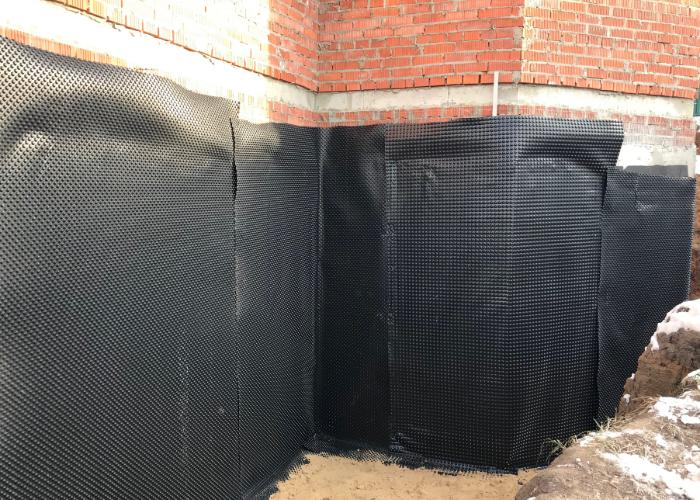
Water is another major concern. When moisture collects around basement walls, pressure builds against the concrete. That pressure may lead to cracks, leaks, bowing walls, or damp basement conditions.
How Much Would Foundation Repair Cost
Foundation repair cost depends on the type of damage, repair method, access, soil conditions, and size of the affected area. A small crack repair may cost far less than stabilizing a settling foundation or reinforcing a basement wall.
Common cost factors include:
Size of the damaged area
Severity of movement
Foundation type
Drainage conditions
Soil stability
Repair method
Basement or crawl space access
Water intrusion
A proper estimate should explain the cause of the problem, the recommended repair, and what is included in the work. Without an inspection, pricing is mostly a number wearing a tool belt.
What Is The Cheapest Way To Fix A Foundation
The cheapest fix is usually the one done early, before the damage spreads. Minor crack sealing, drainage improvements, gutter corrections, or downspout extensions may be enough for smaller issues.
However, the cheapest option is not always the right one. A surface patch may hide a crack, but it will not stop settlement, soil movement, or water pressure. If the foundation is actively moving, a stronger repair plan may be needed.
The foundation supports the entire structure, so ignored damage can spread into floors, walls, ceilings, doors, windows, and exterior finishes.
Repair work may also matter during a sale. Buyers often notice cracks, leaks, and uneven floors. A documented repair can make the property easier to discuss than unresolved damage with no clear explanation.
Best Time Of Year For Repair
Foundation work can often be completed during different seasons. Spring, summer, and fall may make exterior work easier because soil and weather conditions are usually more workable.
Still, the best time is when the issue is found. If cracks are growing, water is entering, or floors are shifting, waiting for a better season may allow the problem to become more serious.
Will Insurance Cover Repair
Insurance coverage depends on the policy and the cause of the damage. Many policies do not cover normal settlement, poor drainage, long-term seepage, or maintenance-related foundation problems.
Coverage may apply when the damage comes from a sudden covered event, such as certain plumbing failures. When speaking with an adjuster, avoid guessing about the cause before an inspection. Describe what you see, share photos, and provide professional findings when available.
Is A Cracked Foundation Safe
Not every crack means the structure is unsafe. Hairline cracks may come from minor settlement or concrete curing. Still, some cracks need fast attention.
Wide cracks, stair-step cracks, horizontal cracks, bowing walls, leaks, or cracks that keep growing should be inspected. A crack becomes more concerning when it appears with uneven floors, sticking doors, wall gaps, or basement moisture.
How Serious Is A Foundation Leak
A foundation leak is serious because water rarely stays polite. Moisture can damage stored items, flooring, drywall, framing, and indoor air quality. It may also point to pressure outside the basement wall.
A leak should be inspected to find the source. Sealing the visible opening may not be enough if poor drainage or water pressure keeps pushing moisture toward the foundation.
Can You Sell A House With A Bad Foundation
A house with foundation issues can often be sold, but disclosure rules may apply. Sellers should be honest about known problems and provide inspection reports or repair records when available.
Buyers may request repairs, negotiate the price, or walk away if the damage is severe. A clear evaluation helps both sides understand the condition of the property instead of guessing.
Choosing The Right Foundation Repair Company
A qualified contractor should inspect the full foundation, explain what caused the damage, and recommend work based on the actual condition of the property.
Look for a company that:
Checks cracks and wall movement
Reviews drainage conditions
Explains repair options clearly
Provides written project details
Answers questions directly
Looks for the source of the problem
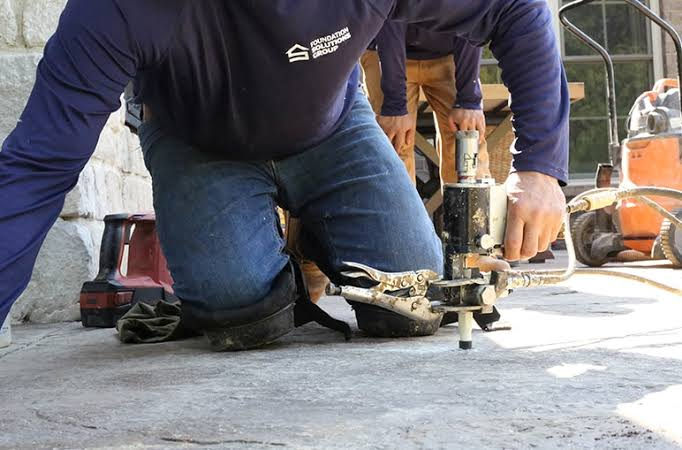
Good foundation work starts with a clear diagnosis. The repair should match the cause, not just the most visible crack.
Conclusion
Foundation problems can feel stressful, but clear information makes the next step easier. Costs, insurance questions, timing, leaks, safety concerns, and selling issues all depend on what is happening beneath and around the structure.
For professional inspection and foundation repair guidance, contact Cincinnati Foundation Repair & Waterproofing. Their team reviews foundation damage, moisture concerns, and repair options based on the condition of the property.
