
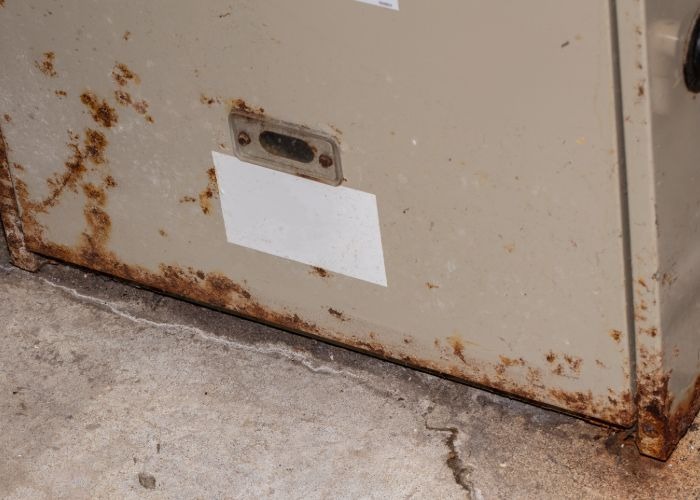
A damp basement often begins with quiet clues. A stain may appear near the floor, paint may bubble along one wall, or the room may smell musty after rain. Those signs matter because repeated moisture may damage finishes, stored belongings, insulation, and nearby framing.
People researching interior basement waterproofing cleveland often want to know if an inside system is worth the investment and how it handles water pressing against the foundation. The right approach collects seepage, directs it to a drain or sump pump, and reduces the risk of water spreading across the floor.
How Water Reaches Basement Walls
Concrete and masonry are porous. Water in the surrounding soil may move through tiny openings, construction joints, wall cracks, or the seam where the wall meets the floor. Heavy rain, melting snow, clogged gutters, short downspouts, and poor grading may increase pressure against the foundation.
Seepage often becomes more noticeable after long periods of wet weather. White mineral deposits, damp patches, peeling coatings, and darkened mortar joints may point to recurring moisture. A puddle near one corner may come from a wall crack, floor joint, window well, or plumbing leak, so the source should be identified before work begins.
What an Interior System Usually Includes
Interior basement waterproofing often combines several components rather than depending on a single coating. A drainage channel may be installed along the basement perimeter to collect water entering through walls or the wall-floor joint. That channel directs moisture toward a sump basin, where a pump moves it away from the foundation.
Wall panels or vapor barriers may guide seepage downward into the drainage system. Crack repair may be added when openings allow visible water entry. A battery backup may also be included when power loss is a concern during storms. Each part has a separate role, and the layout should match the way water enters the basement.
Inside Versus Outside Waterproofing
Exterior work stops water before it reaches the foundation wall. It may involve excavation, membrane installation, drainage improvements, and repairs to damaged exterior surfaces. Interior work manages moisture from inside the basement without excavating around the entire house.
Neither method fits every property. Exterior work may be useful when walls are exposed during another project or when outside defects require repair. Interior systems are often selected when excavation is difficult, landscaping is extensive, or seepage is entering through the wall-floor joint. An inspection should compare access, drainage, foundation condition, and the location of water entry.
Are Waterproofing Coatings Enough
Paint-on products may improve the appearance of a dry wall, but they are not a complete answer for active seepage. Water pressure may push coatings away from masonry, causing bubbles, flakes, or renewed damp spots. Applying another layer over a wet surface may hide the evidence for a short time without controlling the water.
Coatings work best as one part of a broader plan after leaks and drainage concerns are corrected. Cracks, open joints, poor grading, and failed window wells require separate attention. A wall that stays wet after every storm usually needs more than a surface treatment.
What the Project May Cost
Pricing varies because basement layouts and moisture problems differ. A limited crack repair costs less than a full perimeter drainage system with a sump pump and wall barrier. The basement size, amount of demolition, pump requirements, electrical work, accessibility, and condition of the floor all affect the final estimate.
A written proposal should explain where water enters, what materials will be installed, how drainage reaches the sump basin, and where discharge water will go. It should also describe cleanup, warranty terms, and any preparation required before work starts. Clear details make competing estimates easier to compare.
Insurance and Financing Questions
Insurance coverage often depends on the event that caused the water. Gradual seepage, groundwater, and maintenance concerns are commonly treated differently from sudden covered events. Policy wording varies, so the insurer should review the specific loss rather than the contractor guessing about coverage.
Financing may be available through personal loans, home improvement programs, contractor payment plans, or home equity products. Interest rates, fees, and repayment terms deserve careful review. Tax treatment also depends on how the basement is used and current tax rules, so a qualified tax professional should answer deduction questions.
How Long Does an Interior System Lasts
A properly installed drainage system may serve for many years when the pump, discharge line, and basin receive routine attention. Sump pumps have mechanical parts and eventually require replacement. Backup batteries also have limited service lives and should be tested on a regular schedule.
Gutters, downspouts, grading, and window wells still matter after interior work is complete. Reducing the amount of water near the foundation lowers the burden on the drainage system. Periodic inspections are useful after major storms or when new stains, odors, or pump noises appear.
Does Waterproofing Add Value
A dry basement is easier to use, maintain, and show to future buyers. Records such as inspection notes, contracts, warranties, permits, and photographs may give buyers a clearer picture of the work completed. Value depends on the condition of the house and the local market, but documented moisture control may reduce uncertainty during a sale.
Ignoring seepage may lead to damaged flooring, ruined storage, mold growth, and repeated repairs. Water problems do not disappear on their own. Early evaluation often limits the area affected and gives the owner more choices before damage spreads.
Conclusion
Interior basement waterproofing offers a practical way to collect seepage and direct it away from finished areas. The strongest plan begins with a clear diagnosis, uses components suited to the water source, and includes ongoing pump and drainage maintenance. For a professional evaluation and a clear plan for basement seepage, contact Expert Basement Waterproofing Cleveland today.
