
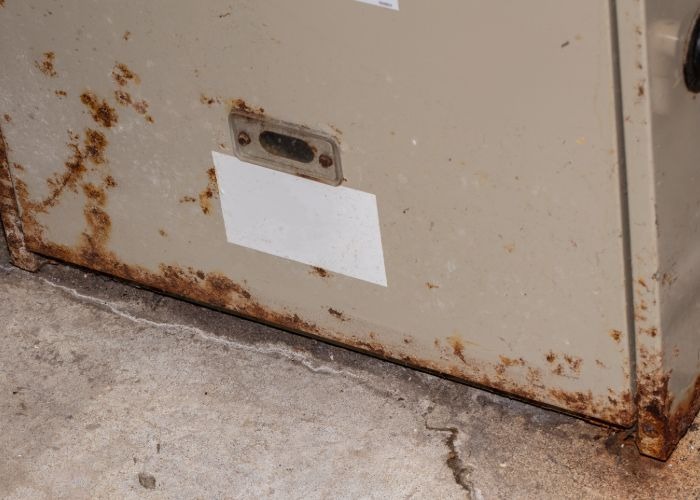
Water intrusion has a way of starting small and turning into a full-blown headache if it is handled the wrong way. You might notice damp walls, peeling paint, or water stains, and think a quick fix will solve the problem. Unfortunately, exterior waterproofing mistakes often trap moisture, redirect water toward your foundation, or hide damage until it becomes expensive.
Exterior waterproofing works best when it addresses how water moves around your home, not just where you see the leak.
Many homeowners search for exterior waterproofing fishers solutions in Fishers after failed attempts because surface-level fixes often make the problem worse. Understanding common mistakes can help you avoid repeat repairs and ongoing water damage.
Relying Only on Waterproof Paint or Coatings
Waterproof coatings look appealing because they promise fast results. Products like masonry sealers and waterproof paints are often marketed as complete solutions. The reality is that they only work under very specific conditions.
When you apply a coating to exterior walls without addressing drainage, water pressure builds up behind it. Over time, this pressure forces moisture through cracks, joints, or weak spots. In many cases, the coating fails, allowing moisture to become trapped in the wall, leading to cracking and surface damage.
Exterior waterproofing should never rely solely on paint. Coatings can play a supporting role, but they cannot replace proper drainage or structural protection.
Ignoring the Role of Soil and Grading
Water always follows the path of least resistance. If the soil around your home slopes toward the foundation, no coating in the world will stop water from collecting where it should not.
Poor grading is one of the most overlooked exterior waterproofing mistakes. When soil slopes inward, rainwater pools along foundation walls, increasing hydrostatic pressure. Over time, this pressure pushes water through small openings that would otherwise stay dry.
Correct exterior waterproofing often starts with adjusting soil grade so water naturally flows away from your home. This step reduces water pressure before it ever reaches the foundation.
Sealing Over Existing Damage
Another common mistake is sealing cracks without properly repairing them. Small foundation cracks can look harmless, but they often widen when moisture and temperature changes occur.
When you seal over a crack without stabilizing it, water finds new entry points nearby. This creates the illusion that waterproofing failed when the real issue was untreated structural movement.
Effective exterior waterproofing includes crack repair that stabilizes the wall before any sealing or membrane is applied.
Blocking Wall Breathability
Not all walls should be completely sealed. Some materials need to breathe so trapped moisture can escape. Using the wrong waterproofing product can block this process.
When moisture cannot escape, it accumulates inside the wall system. This increases the risk of mold growth, material deterioration, and freeze-thaw damage. The Environmental Protection Agency stresses that moisture control is essential for preventing long term structural issues and indoor air quality problems. More guidance is available at epa.gov.
Exterior waterproofing must match the wall material and environmental conditions to avoid trapping moisture where it should not be.
Attempting Full DIY Waterproofing Without Experience
DIY repairs are tempting, especially when water issues seem minor. The problem is that exterior waterproofing requires more than surface prep and a product label.
Excavation depth, membrane selection, drainage placement, and backfill materials all matter. One mistake can cause water to flow toward your foundation instead of away from it. Many failed DIY efforts actually worsen water intrusion by trapping moisture underground.
Small maintenance tasks are reasonable, but major exterior waterproofing work benefits from professional evaluation.
Forgetting About Drainage Systems
Waterproofing without drainage is one of the fastest ways to fail. Exterior waterproofing systems must move water away from the foundation, not trap it beside the wall.
Missing or poorly installed footing drains allow water to build up against the foundation. Over time, this pressure leads to cracks, seepage, and structural stress. Proper drainage is the backbone of any effective exterior waterproofing strategy.
Using Incompatible Materials
Not all waterproofing products work together. Mixing incompatible membranes, sealants, or coatings often leads to peeling, cracking, or early failure.
Exterior waterproofing systems are designed to function as complete assemblies. Using random products without understanding compatibility creates weak points that water will eventually exploit.
Choosing Short Term Savings Over Long Term Protection
The cheapest waterproofing option often becomes the most expensive over time. Temporary fixes delay proper repairs while allowing damage to spread behind walls and below ground.
Exterior waterproofing should be viewed as long-term protection for your foundation. When done correctly, it reduces moisture pressure, protects structural integrity, and helps preserve property value.
Conclusion
Exterior waterproofing mistakes often occur when repairs focus on speed or cost rather than understanding how water behaves around your home. Paint-only solutions, ignored drainage issues, improper materials, and rushed DIY work frequently turn small leaks into major problems.
If water issues continue despite past repairs, a professional assessment can identify what went wrong and how to correct it properly. Expert Foundation Repair Fishers specializes in exterior waterproofing solutions that address drainage, foundation protection, and long-term performance rather than temporary surface fixes. With the right approach, exterior waterproofing prevents water problems rather than making them worse.
