
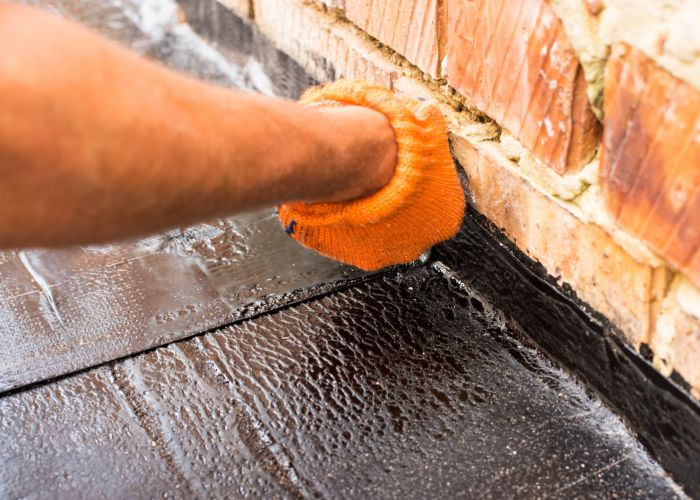
Basement water problems usually begin with small clues. A damp smell, white stains on the wall, peeling paint, or a puddle after rain may not seem urgent at first. Still, moisture may spread behind finished walls, damage stored items, and place added pressure around the foundation.
Many people search for basement waterproofing chattanooga when leaks return after storms or the basement never feels fully dry. Basement waterproofing should focus on finding where moisture enters, why it keeps coming back, and which repair method fits the home.
Signs Your Basement Needs Attention
Basement moisture is not always dramatic. Sometimes the warning signs are quiet but steady.
Common signs include:
Musty odors
Water stains
Damp walls
Puddles after rain
Peeling paint
White mineral deposits
Mold-like spots
Cracks with moisture
Rust on metal items
Soft or damaged flooring
These signs may point to seepage, condensation, hydrostatic pressure, poor drainage, or cracks in the foundation walls.
What Causes Basement Water Problems
Water usually enters a basement because it has nowhere better to go. Poor grading, clogged gutters, short downspouts, cracked walls, and saturated soil may all push moisture toward the foundation.
When soil around the home becomes soaked, pressure builds against basement walls and beneath the floor. That pressure may force water through cracks, joints, and porous concrete. A leaky basement may also affect the foundation if moisture keeps building pressure around the structure.
The Three Main Types Of Waterproofing
Basement waterproofing is often grouped into three main types: interior waterproofing, exterior waterproofing, and drainage correction.
Interior waterproofing manages water that has already reached the basement. This may include interior drains, sump pumps, vapor barriers, and crack sealing.
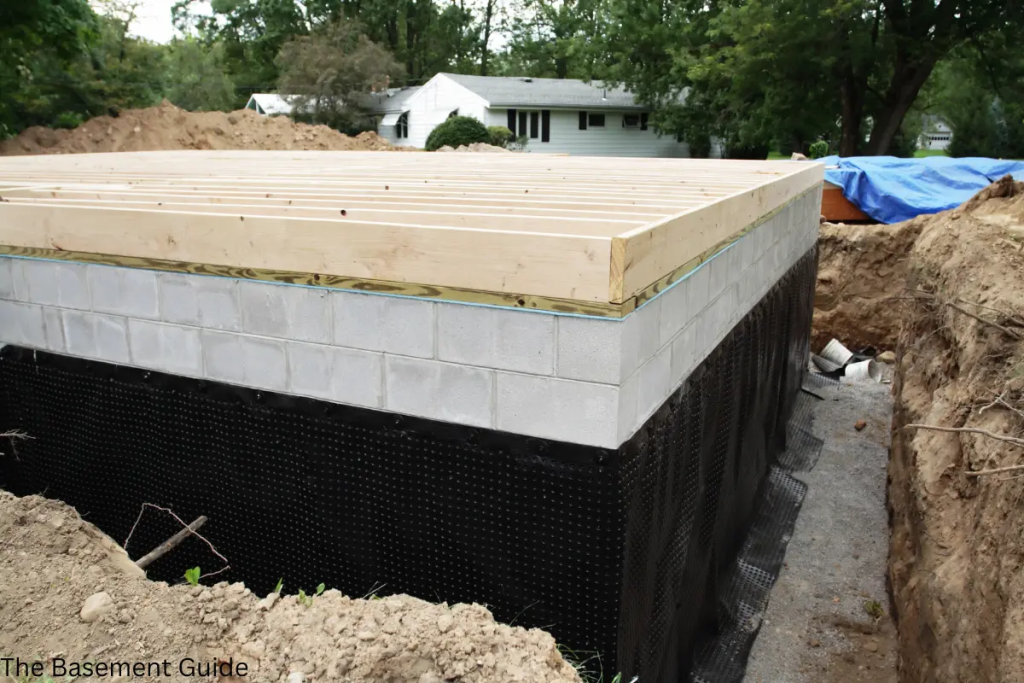
Exterior waterproofing works from the outside by reducing water entry at the foundation wall. This may include excavation, exterior membranes, drainage boards, and footing drains.
Drainage correction focuses on moving water away from the home through grading, gutters, downspouts, surface drains, or French drains.
What Affects Waterproofing Cost
The average cost to waterproof a basement depends on the size of the basement, the source of the water, the method used, and how much damage already exists. A simple crack repair may cost much less than an interior drainage system or exterior excavation project.
Cost factors include:
Basement size
Water entry points
Drainage needs
Sump pump work
Wall condition
Foundation cracks
Interior finishes
Soil conditions
Project access
A good estimate should explain the cause of the water problem, the proposed repair, and what is included in the work.
Is Waterproofing Worth It
Basement waterproofing is often worth it when moisture returns after rain, stored items get damaged, or the basement is planned for future living space. Water problems usually become more expensive when ignored.
A drier basement may protect flooring, drywall, framing, furniture, appliances, and indoor air quality. It may also make the home easier to sell because buyers often notice basement stains, odors, and visible moisture.
Will Insurance Pay For Waterproofing
Home insurance may cover sudden water damage in some cases, but routine seepage and long-term moisture are often treated as maintenance concerns. Groundwater seepage is commonly excluded from standard policies, while sudden covered events may be handled differently depending on the policy.
You should review your policy and speak with your insurance provider. It is better to describe the visible damage clearly and avoid guessing about the cause before an inspection.
Is 100 Percent Waterproofing Possible
No contractor should promise that every basement will stay completely dry under every condition. Heavy storms, power outages, soil changes, plumbing problems, and poor maintenance may still create risks.
A better goal is a properly designed system that reduces water entry, controls drainage, and moves collected water away from the home. A strong plan may include pumps, drains, sealed cracks, grading corrections, and backup protection.
How Long Does Waterproofing Last
The lifespan of waterproofing depends on the method, installation quality, drainage conditions, and maintenance. Interior drain systems and sump pumps may last many years when installed correctly and maintained. Exterior systems may also last a long time, but performance depends on soil, materials, and water pressure.
Regular care matters. Test sump pumps, clean gutters, check downspouts, and watch for new cracks. A waterproofing system still needs attention. Even a good setup dislikes being ignored.
Best Time Of Year For Waterproofing
The best time for basement waterproofing is often before the next heavy rain season. Spring, summer, and fall may be easier for exterior work because soil and weather conditions are usually more workable.
Still, active leaks should not wait for a perfect season. If water is entering the basement, a professional inspection should happen soon. Moisture problems tend to invite more problems, and they are terrible houseguests.
Choosing The Right Waterproofing Company
A good contractor should inspect the basement, foundation walls, exterior grading, gutters, downspouts, and drainage paths before recommending work.
Look for a company that:
Finds the water source
Explains repair options clearly
Checks foundation cracks
Reviews drainage conditions
Discusses sump pump needs
Provides written project details
Answers questions directly
Clear inspection results make it easier to choose the right repair instead of guessing.
Conclusion
Basement water problems may affect comfort, storage, air quality, and foundation conditions. Understanding warning signs, waterproofing types, cost factors, insurance limits, timing, and system lifespan makes the next step easier.
For professional basement waterproofing guidance, contact Chattanooga Basement Waterproofing & Repair. Their team finds the source of basement moisture and creates repair plans based on the condition of the property.
