
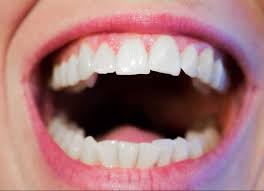
Most people think of their mouth as separate from the rest of their body. Teeth, gums, and tongue are treated as a small, contained system — important for eating and smiling, but not much else. In reality, the mouth is one of the clearest windows into overall health, often showing early signs of issues that affect the entire body.
What makes this easy to overlook is that many oral changes don’t cause immediate pain. They develop quietly, blending into daily life. That’s why routine checks with professionals like an Erskineville dentist often uncover patterns people didn’t realise were connected to their broader wellbeing.
The mouth doesn’t exist in isolation. It reflects inflammation, immune response, habits, stress, and even nutritional status — sometimes long before other symptoms appear.
Inflammation Often Shows Up in the Gums First
Gums are highly sensitive to inflammation. When something is out of balance in the body, the gums can be one of the first places it becomes visible.
Common signs include:
- Redness or swelling
- Bleeding during brushing or flossing
- Tenderness without obvious cause
Chronic gum inflammation isn’t just a local issue. It’s been associated with systemic inflammation, which plays a role in a range of health conditions. When the body is under constant inflammatory stress, the gums often reflect that strain.
The Mouth Is Part of the Immune System
The mouth is a major entry point for bacteria. Saliva, gum tissue, and oral microbes all play a role in immune defence.
When oral health is compromised:
- Harmful bacteria can enter the bloodstream more easily
- The immune system stays in a heightened state
- The body works harder to manage infection risk
This ongoing immune activation can affect energy levels and overall resilience. Oral health problems don’t stay local — they demand attention from the whole system.
Tooth Wear Can Signal Stress and Lifestyle Factors
Worn or flattened teeth are often dismissed as a normal part of ageing. In many cases, they point to habits driven by stress or lifestyle patterns.
Tooth wear can be linked to:
- Clenching or grinding during sleep
- High stress levels
- Acid exposure from diet or reflux
Because these habits often happen unconsciously, the mouth becomes the record keeper. The wear pattern tells a story long before the person realises what’s happening.
Dry Mouth Isn’t Just an Inconvenience
A persistently dry mouth is more than uncomfortable. Saliva plays a crucial role in protecting teeth, neutralising acids, and controlling bacteria.
Reduced saliva can be caused by:
- Certain medications
- Dehydration
- Breathing through the mouth
- Systemic health conditions
When saliva flow drops, the risk of decay, infection, and irritation rises. Dry mouth often reflects something broader affecting the body’s balance.
Oral Changes Can Reflect Nutritional Gaps
The tissues in the mouth renew quickly, which makes them sensitive to nutritional deficiencies.
Potential signs include:
- Cracks at the corners of the mouth
- A sore or swollen tongue
- Pale oral tissues
These changes can be linked to deficiencies in iron, B vitamins, or other essential nutrients. Because the mouth responds quickly, it may show these issues before blood tests are done or symptoms are felt elsewhere.
Jaw Pain and Headaches Are Often Connected
Jaw tension is frequently overlooked as a health signal. Pain, clicking, or stiffness in the jaw can be connected to posture, stress, and muscle imbalance.
This can contribute to:
- Chronic headaches
- Neck and shoulder pain
- Sleep disruption
Because the jaw is involved in speaking, chewing, and breathing, dysfunction here can have wide-reaching effects. The mouth becomes a central point where multiple systems intersect.
Mouth Breathing Affects More Than Teeth
Breathing through the mouth instead of the nose changes how the entire body functions. It alters oxygen intake, dries oral tissues, and affects facial muscle use.
Long-term mouth breathing can:
- Increase risk of decay and gum issues
- Disrupt sleep quality
- Contribute to fatigue and poor concentration
Often, the signs are first noticed orally — dry tissues, increased plaque, or inflamed gums — even though the root cause lies elsewhere.
Infections Don’t Stay Contained
Untreated oral infections can spread beyond the mouth. While this doesn’t happen overnight, ongoing infection places continuous stress on the body.
This can lead to:
- Persistent low-grade inflammation
- Increased immune workload
- Complications for existing health conditions
The body treats oral infections like any other infection — as a priority to manage. Ignoring them doesn’t make them isolated.
What Regular Checks Really Offer
Routine oral examinations aren’t just about teeth. They provide an opportunity to notice changes that might otherwise be missed.
Regular checks can reveal:
- Shifts in gum health over time
- Changes in wear patterns
- Early signs of dryness or inflammation
- Tissue changes that need monitoring
These observations help build a picture, not just a snapshot. Trends matter more than one-off findings.
Why the Mouth Deserves More Attention
The mouth is constantly exposed to the outside world. It responds quickly to stress, imbalance, and illness. That makes it one of the most honest indicators of what’s happening internally.
Paying attention to oral health isn’t about obsessing over small details. It’s about recognising that the body communicates in subtle ways. The mouth is one of its clearest messengers.
Seeing Oral Health as Whole-Body Health
When people stop treating oral care as separate, they often gain a better understanding of their overall wellbeing. Changes in the mouth prompt questions about habits, stress, nutrition, and lifestyle — not just brushing technique.
Your mouth doesn’t just help you eat and speak. It reflects how your body is coping, adapting, and responding. Listening to those signals early can lead to better decisions, long before bigger health issues demand attention.
