
Singapore’s real estate landscape is undergoing a profound structural shift. The traditional model of residential planning—where housing estates, commercial centers, and recreational parks existed as separate, distinct pockets—is giving way to a more holistic vision. Today, the local market is experiencing a massive surge in demand for Integrated Lifestyle Communities.
These master-planned developments go far beyond providing basic shelter. By blending premium residential units with seamless transit access, retail podiums, wellness facilities, and immediate proximity to nature, they offer a self-sustaining ecosystem. Here is an in-depth look at the societal shifts, urban planning strategies, and investment fundamentals driving the popularity of these modern communities.
The Search for Frictionless Living
In a hyper-connected, fast-paced global economy, time has become the ultimate luxury. Modern homebuyers—particularly millennial professionals and multi-generational families—are actively looking to eliminate the daily frictions of urban life.
Integrated lifestyle communities address this by adopting the “15-minute neighborhood” model. Under this framework, everything a resident needs to thrive is located within a short walk or train ride from their front door. Imagine taking a lift down from your apartment directly into a sheltered walkway that connects to a major medical hub, a premium supermarket, an artisanal cafe, and a mass rapid transit station. This high level of convenience allows residents to reclaim hours of their week that would otherwise be lost to traffic or long commutes.
The Power of Transit-Oriented Ecosystems
A core pillar of any successful integrated community in Singapore is its connection to the mass transit grid. As the nation advances its car-lite urban blueprint—marked by high vehicle ownership overheads and expanding pedestrian zones—housing value has become intricately linked to rail access.
Developments that offer doorstep access to expanding transit pipelines are capturing the highest volume of market interest. A prime example of this trend is unfolding in the north-central corridor. The full integration of the Thomson-East Coast Line (TEL) has completely revitalized the area.
Stepping into the Telok Blangah Residences Showflat reveals a lifestyle tailored around this exact high-connectivity ethos. The development offers an uninterrupted rail link directly down to Orchard Road and the Central Business District (CBD). Yet, it remains deeply integrated with the tranquil boardwalks and nature trails of MacRitchie and Lower Peirce Reservoirs, perfectly balancing rapid transit convenience with suburban peace.
Biophilic Urbanism and Wellness Sentiments
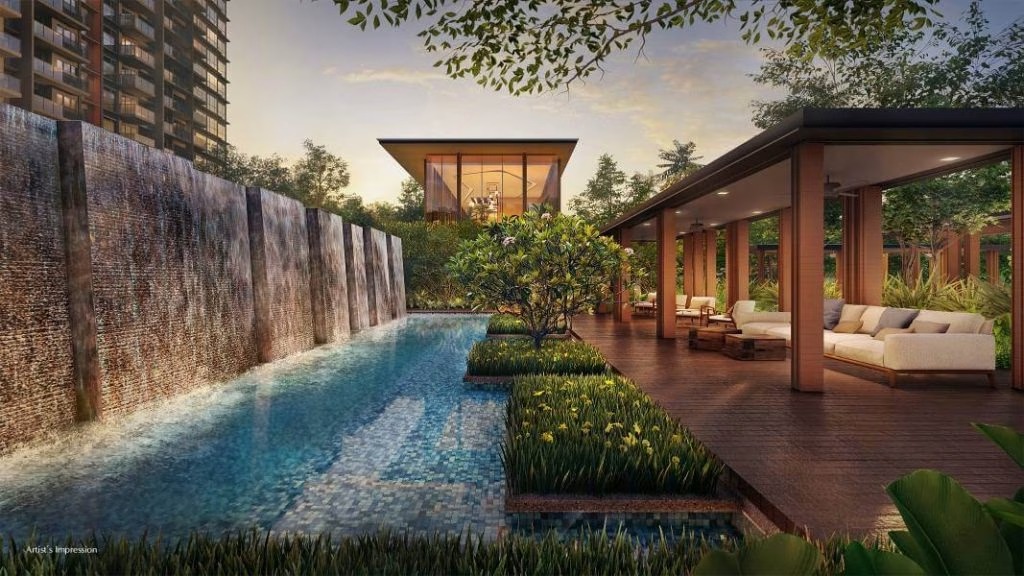
The modern property buyer is deeply focused on health, wellness, and environmental sustainability. Consequently, the most successful integrated communities are those practicing biophilic urbanism—the art of weaving dense natural elements directly into high-rise architectural design.
Instead of standard concrete facades, the new generation of condos features vertical green walls, cascading sky gardens, and natural cross-ventilation layouts designed to combat the tropical heat.
This seamless blend of urbanity and nature is a major drawcard for the mega-transformations occurring along the southern coastline. Exploring the Upper Thomson Residences Showflat how future premium living merges with coastal landscapes. Located within the multi-billion-dollar Greater Southern Waterfront (GSW) corridor, this community allows residents to pivot effortlessly between high-tech city access and the raw, therapeutic forest canopies of the Southern Ridges and Labrador Nature Reserve.
Why Investors Are Pivoting to Integrated Communities
From an investment perspective, integrated lifestyle communities act as defensive, high-yielding assets in a property portfolio. They consistently outperform standalone, landlocked developments across several key metrics:
Resilient Capital Appreciation: Because these properties are tied to long-term government master plans and major infrastructure nodes, they retain their valuation remarkably well and enjoy strong price growth as the neighborhood matures.
Superior Rental Pools: High-earning corporate tenants and expatriates are consistently willing to pay a premium for properties that simplify their daily routines, resulting in higher rental yields and minimal vacancy periods.
Future-Proof Asset Design: Built with modern smart-home features, energy-efficient appliances, and extensive shared amenities, these developments face lower immediate depreciation and lower maintenance overheads compared to aging resale units.
Conclusion: Securing a Piece of the Future Blueprint
The evolution of Singapore’s private housing market has made one thing clear: true luxury is no longer defined by physical isolation or a historical postal code. The most prestigious addresses of the modern era are those that deliver flawless connectivity, curated convenience, and holistic wellness spaces.
Whether you lean toward the waterfront majesty of Telok Blangah or the nature-infused, family-centric appeal of Upper Thomson, choosing an integrated lifestyle community is more than a real estate transaction. It is a strategic step toward a smarter, healthier, and highly optimized way of living.
