
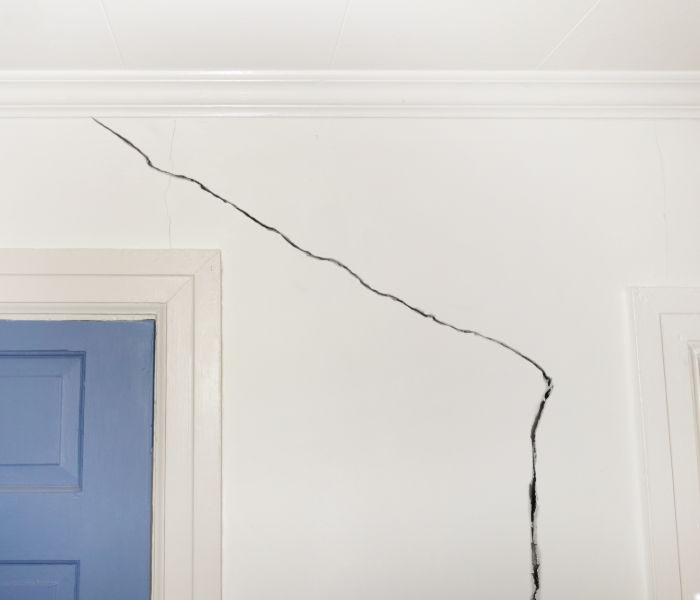
Foundation damage rarely begins with a dramatic event. More often, it appears as a thin wall crack, a floor that feels slightly uneven, or a door that starts rubbing against its frame. These changes may look minor, but they sometimes reveal movement in the soil or concrete below the house.
People researching concrete foundation repair dayton ohio usually want to know how serious the damage is, what caused it, and what the work may involve. A detailed inspection offers the clearest starting point because similar-looking cracks may develop for very different reasons.
Why Concrete Foundations Begin to Move
Concrete is strong, but the ground supporting it changes over time. Soil expands after heavy rain, contracts during dry weather, and may erode when runoff collects near the house. Plumbing leaks beneath a slab may also soften the soil or wash away material that once supported the structure.
Poor grading, short downspouts, blocked gutters, and repeated freezing and thawing may add stress around the foundation. When one section loses support while another remains stable, cracks, sloping floors, and gaps around doors or windows may begin to appear.
Cosmetic Cracks and Structural Warning Signs
Not every crack signals major damage. Hairline vertical cracks often form as concrete cures and shrinks. These openings may remain unchanged for years and cause little concern beyond minor water entry.
Structural cracks tend to show movement. Stair-step cracks through block or brick may point to uneven settlement. Horizontal cracks along basement walls may indicate pressure from wet soil outside. Cracks that widen, spread quickly, or return after patching deserve closer attention.
Other warning signs include bowing walls, separated trim, doors that no longer close properly, and floors that slope toward one side. A professional evaluation is appropriate when several warning signs appear together or when a crack changes noticeably over a short period.
What Slab Damage May Look Like
A cracked slab may show damage through tile, laminate, carpet, or exposed concrete. Some surface cracks remain stable, while other sections rise, sink, or separate enough to affect flooring and interior walls.
The right concrete foundation repair method depends on the source of movement. Stable cracks may be sealed or injected, while settlement may call for piers, slab lifting, or soil stabilization. Installing new flooring over an active crack only hides the evidence and may lead to another round of damage later.
How Much Repair Work May Cost
There is no single price for every project. A narrow crack may require limited sealing, while widespread settlement may involve excavation, structural supports, wall anchors, or several piers.
Pricing often depends on the size of the affected area, the foundation type, soil conditions, access for equipment, and the number of supports required. Interior finishes, plumbing, landscaping, permits, and engineering reviews may also affect the total.
A written estimate should explain the damage, proposed method, work area, schedule, and warranty. The lowest number is not always the best value when the proposal treats only the visible crack and leaves the source of movement untouched.
Does Insurance Cover Foundation Damage
Coverage depends on the event that caused the damage and the wording of the policy. Gradual settlement, soil movement, drainage problems, and long-term maintenance concerns are often excluded. Sudden events such as vehicle impact or a covered plumbing failure may be reviewed differently.
Before contacting an adjuster, gather dated photographs, inspection notes, estimates, and a timeline of when the damage appeared. Describe what you observed without guessing about the cause. A contractor explains the repair scope, while the insurer determines whether the event qualifies for coverage.
When Is the Best Time for Repairs
Foundation work takes place during every season. Dry weather may make excavation easier, and warmer months often provide longer workdays. Still, active movement should not be delayed simply to wait for ideal weather.
Growing cracks, bowing walls, dropping floors, or damaged utility lines call for prompt review. Delaying concrete foundation repair after movement is confirmed may allow damage to spread into drywall, plumbing, flooring, and framing.
Can You Stay in the House During Work
Many residents remain in the house during repairs. The answer depends on the method, location, noise level, utility access, and condition of the structure.
Pier installation, slab lifting, and wall stabilization may create noise and vibration. Crews may need access to a basement, crawl space, garage, interior floor, or part of the yard. Temporary relocation may make sense when a wall is unstable, utilities must be disconnected, or excavation blocks an entrance.
Selling a House With Foundation Problems
A house with foundation trouble may still be sold, though the condition may affect inspections, financing, insurance, and negotiations. Some sellers complete the work before listing, while others disclose the issue and provide an estimate or credit.
Clear records matter. Inspection reports, engineering notes, permits, invoices, warranties, and photographs give buyers a better understanding of the problem and completed work. Properly documented concrete foundation repair may reduce uncertainty during a sale instead of lowering value automatically.
Choosing the Right Repair Plan
Different problems call for different methods. Crack injection may control water entry through a stable opening. Wall anchors or braces may support a bowing basement wall. Piers may transfer the weight of a settling structure to stronger soil below.
Ask why a method was selected, how it relates to the inspection findings, and what may happen if the work is delayed. A strong proposal should describe access needs, cleanup responsibilities, payment terms, and warranty coverage.
Conclusion
Cracks, sinking, and slab damage should be judged by their cause, pattern, and rate of change. Some openings remain cosmetic, while others reveal active movement that affects several parts of the house.
Before scheduling concrete foundation repair, compare detailed proposals and ask how each method responds to the inspection findings. For a professional evaluation and a clear repair plan, contact Dayton Foundation Repair Experts today.
