
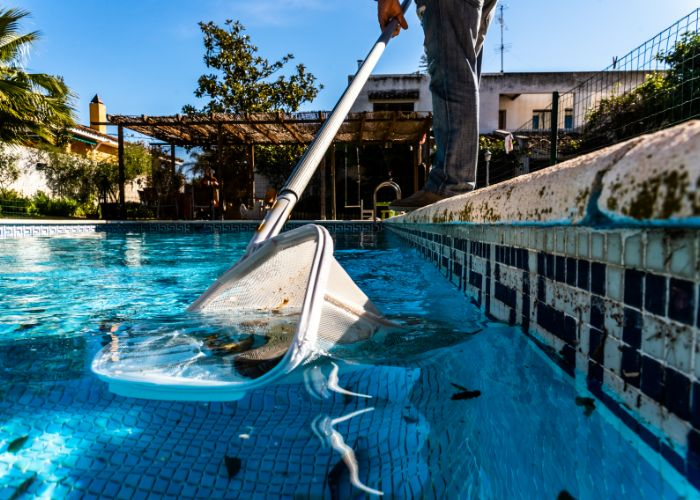
Understanding Pool Inspections
A pool inspection is a critical step in maintaining a safe and functional swimming pool. Whether you are preparing to buy a home with a pool, selling your property, or simply maintaining your backyard oasis, understanding the inspection process can help you avoid costly surprises. Pool inspections evaluate the condition of the pool structure, equipment, plumbing, and safety features, ensuring everything meets industry standards
Hiring a professional pool service bradenton ensures a comprehensive evaluation. Experienced technicians check for leaks, inspect pumps, filters, heaters, and chemical systems, and identify potential hazards like loose ladders or worn electrical components. This level of scrutiny provides peace of mind, knowing that your pool is both safe and ready for use.
Typical Costs of a Pool Inspection
The cost of a pool inspection can vary depending on the pool’s size, complexity, and region. On average, homeowners can expect to pay a moderate fee for a full inspection. This price often includes equipment checks, chemical testing, structural evaluation, and a detailed report. While it may be tempting to save money by performing your own assessment, professional pool inspection services ensure that no critical issue goes unnoticed, preventing more expensive repairs later.
Investing in a professional inspection also adds value if you plan to sell your home. Buyers are more confident when they see documented maintenance and a clear report on pool conditions, making inspections a worthwhile investment.
What Inspectors Check
During a pool inspection, several components are evaluated:
- Structural Integrity: Inspectors look for cracks, leaks, or signs of settling in concrete or vinyl pools. Any structural issues may require immediate attention to prevent further damage.
- Equipment Functionality: Pumps, filters, heaters, and timers are tested to ensure proper operation. Malfunctioning equipment can affect water quality and safety.
- Plumbing and Electrical Systems: Leaks, corrosion, and faulty wiring are identified. Proper plumbing and electrical function are crucial for both safety and efficiency.
- Water Quality and Chemistry: Inspectors test pH levels, chlorine content, alkalinity, and other chemical balances. This ensures that the pool is safe to swim in and helps prevent algae growth.
- Safety Features: Fences, gates, ladders, and signage are evaluated to ensure compliance with local regulations and reduce liability risks.
Professional pool inspection services provide a detailed report highlighting issues, recommended repairs, and estimated costs, which can be invaluable for both current and prospective pool owners.
Timing and Frequency
Most homeowners schedule a pool inspection at least once a year, ideally before the swimming season begins. A pre-season inspection helps ensure that all equipment is functioning properly, water chemistry is balanced, and the pool is safe for regular use. In regions with year-round pool use, inspections may be recommended more frequently to account for constant wear on equipment and exposure to the elements.
For homeowners buying or selling a property with a pool, inspections are often a key part of the real estate transaction. Buyers use inspection reports to understand potential repair costs, while sellers benefit from identifying and addressing issues before listing the home. Regular inspections help catch minor issues, such as worn seals or minor leaks, before they turn into costly repairs, ultimately saving money and preserving long-term pool safety.
Avoiding Common Mistakes
Homeowners often underestimate the importance of a thorough pool inspection, assuming that clear water means everything is working correctly. One common mistake is skipping inspections altogether, especially when the pool appears to be operating normally. Ignoring early warning signs like cloudy water, fluctuating chemical levels, unusual pump noises, or slow water circulation can allow hidden issues to worsen over time.
Relying solely on DIY testing kits or visual checks is another frequent error. While basic testing can help with routine maintenance, it does not replace a professional pool inspection that evaluates structural components, plumbing, electrical systems, and equipment performance. A professional inspection identifies hidden leaks, failing parts, and safety concerns early, providing a complete and accurate assessment of the pool’s condition.
Preparing for Your Inspection
Proper preparation helps ensure a smooth and effective pool inspection. Homeowners should begin by removing leaves, debris, and other obstructions from the pool and surrounding areas. Ensuring that the pump, filter, and heater are operational allows the inspector to accurately test equipment performance. Access to all equipment areas, including pump rooms, electrical panels, and plumbing lines, is essential for a complete evaluation.
Clear communication also plays an important role. Informing the inspector about previous repairs, recurring issues, or recent maintenance helps them focus on potential problem areas and provide more targeted recommendations. By preparing in advance and sharing relevant information, homeowners can get the most value from their pool inspection and gain a clearer understanding of any maintenance or repairs that may be needed.
Conclusion
A professional pool inspection is a small investment that offers significant benefits. From identifying potential hazards and maintenance needs to protecting the safety and value of your property, inspections are an essential part of pool ownership. Understanding what to expect and budgeting for a pool inspection can prevent costly repairs, ensure a safe swimming environment, and provide homeowners with peace of mind.
For residents in the Bradenton area, relying on Bradenton Pool Service Pros guarantees a thorough evaluation with expert insights and actionable recommendations, keeping your pool safe, efficient, and enjoyable year-round.
