
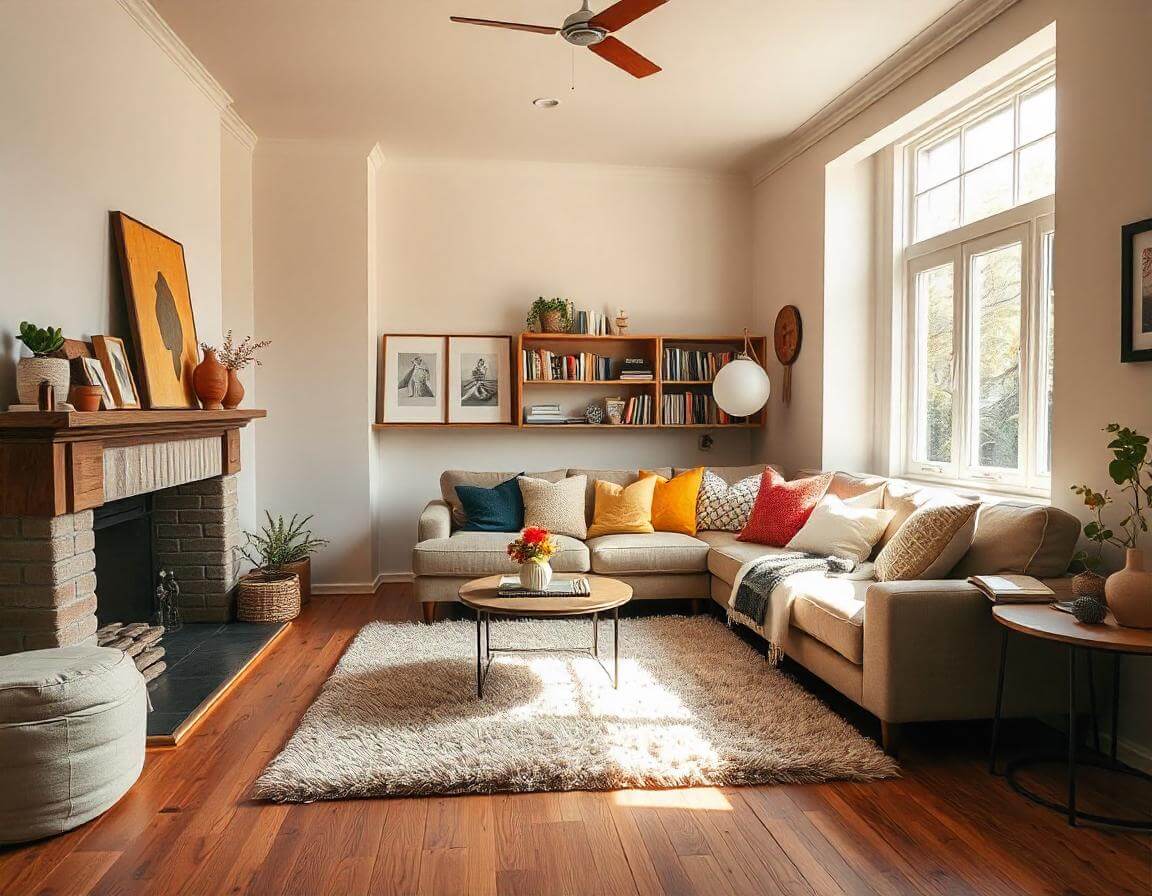
Creating the impression of a larger living room is not always about knocking down walls or undertaking expensive renovations. In many cases, the right furniture choices can significantly influence how spacious a room feels. Among the most effective options is a corner lounge, which makes better use of available floor space while creating a clean and organised layout. Whether you are updating your existing furniture or planning a complete living room refresh, choosing the right seating arrangement can help your space appear more open, inviting, and functional.
Understanding How Furniture Affects Visual Space
The perception of space is influenced by more than the actual dimensions of a room. Furniture placement, scale, colour, lighting, and layout all contribute to how large or small an area appears.
A corner lounge is designed specifically to fit into unused corners while providing generous seating. Rather than scattering multiple sofas and chairs throughout the room, a single well-positioned lounge creates a more unified appearance that often makes the room seem larger than it actually is.
Why Corner Lounges Work Well in Smaller Living Rooms
Many people assume large furniture automatically makes a room feel cramped. In reality, the opposite is often true when the furniture is chosen correctly. Corner lounges eliminate unnecessary gaps between separate seating pieces, creating a more efficient use of available floor space. This approach offers several advantages:
- Better utilisation of corners that often remain unused.
- Fewer individual furniture pieces competing for space.
- Improved walking paths around the room.
- A cleaner, more cohesive furniture arrangement.
- More seating without overcrowding the space.
The result is a living room that feels comfortable without appearing overly furnished.
How Can a Corner Lounge Make Your Living Room Look Bigger
Creating Better Flow Throughout the Room
One of the biggest reasons a living room feels small is poor circulation. When furniture blocks natural walkways, people subconsciously perceive the room as being tighter than it really is.
A corner lounge helps define the seating area while leaving the remaining floor open for movement. Instead of navigating around several chairs and sofas, there is usually one clear traffic path that feels more spacious.
Choosing the Right Size Matters
Although corner lounges can maximise available space, selecting the correct size remains essential. A lounge that is too large may dominate the room, while one that is too small can leave the layout feeling unbalanced.
Several factors should be considered before choosing the size.
- Overall dimensions of the room.
- Position of windows and doors.
- Existing furniture placement.
- Available walking space.
- The number of people using the seating regularly.
Measuring carefully before purchasing helps ensure the lounge complements the room rather than overwhelming it.
Positioning Furniture for Maximum Space
Even the perfect lounge cannot improve a room if it is positioned poorly. The seating area should remain balanced with surrounding furniture, including entertainment units, shelving, lighting, and decorative elements.
Choosing complementary furniture, such as a well-proportioned coffee table, can complete the layout without interrupting the open feel of the room. Selecting the appropriate size ensures the centre of the seating area remains practical while preserving comfortable movement around it.
The Role of Colour in Making a Room Feel Larger
Colour has a significant influence on how spacious a room appears. Lighter upholstery reflects more natural light, helping the room feel brighter and more open. This does not mean darker colours should always be avoided.
Rich shades can also work beautifully when balanced with lighter walls, flooring, and accessories. The goal is to create harmony throughout the room rather than introducing sharp visual divisions.
Selecting the Right Shape and Design
Not all corner lounges create the same visual effect. Slim arms, raised legs, and streamlined profiles generally make a room appear more spacious because they expose more visible flooring underneath the furniture.
Bulky designs with oversized armrests and heavy bases can make even larger rooms feel enclosed. The proportions of the lounge should complement the overall style of the living room while maintaining an open appearance.
Complementing Open-Plan Living
Open-plan homes benefit particularly well from corner lounges because they naturally define different functional areas without requiring physical barriers. The lounge creates a clear boundary between the living area and adjacent spaces while preserving visual continuity across the entire floor plan.
The furniture becomes both a practical seating solution and an important design feature that improves the overall layout.
Conclusion
A corner lounge can absolutely make a living room look bigger when selected and positioned thoughtfully. By making efficient use of corners, improving traffic flow, reducing visual clutter, and creating a more cohesive layout, it helps maximise both functionality and the perception of space. Choosing the right size, colour, shape, and placement ensures the lounge complements the room rather than overwhelming it.
Frequently Asked Questions
Can a corner lounge make a small living room feel larger?
Yes. A well-sized corner lounge uses available space efficiently, reduces furniture clutter, and creates a more organised layout that can make the room appear larger.
Is a corner lounge suitable for open-plan living areas?
Yes. A corner lounge helps define the living area without blocking the natural flow between connected spaces, making it an excellent choice for open-plan layouts.
What type of corner lounge works best in compact rooms?
Designs with slim arms, raised legs, and clean lines often work best because they appear lighter and allow more of the floor to remain visible.
Can a corner lounge replace multiple seating pieces?
Yes. A corner lounge often provides enough seating to eliminate the need for additional sofas or chairs, creating a cleaner and less crowded living room.
What should be considered before buying a corner lounge?
Important considerations include room dimensions, seating requirements, furniture proportions, upholstery material, and how the lounge will fit within the overall room.
