
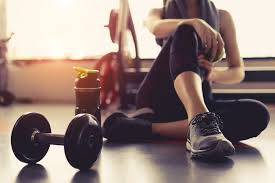
You went to the gym to get stronger, not to end up on the floor in pain. A wet locker room, loose mats, or cluttered walkways can turn a normal workout into a sudden fall. The shock can leave you hurt, embarrassed, and unsure what to do next. This guide shows you how to protect your health, your rights, and your peace of mind after a slip and fall in a gym or fitness center. You will learn what to do in the first few minutes, what to document, who to speak to, and what to avoid saying. You will also see how groups like phillyslipandfallguys may use the steps you take at the scene. Clear action in those first moments can shape your recovery, your medical care, and any claim you may have later.
Step 1: Put safety first and get medical help
First move away from the hazard if you can. A wet floor or loose cord can cause a second fall.
Next check your body from head to toe. Notice pain, swelling, bleeding, or numb spots. If you hit your head, feel dizzy, or cannot move a limb, stay still and ask someone to call 911.
Then seek medical care even if you think you feel fine. Some injuries stay hidden for hours. The Centers for Disease Control and Prevention explains that even a mild head hit can cause a brain injury that shows up later. You can read more on the CDC concussion page at https://www.cdc.gov/traumaticbraininjury/index.html.
Step 2: Report the fall right away
Right after you reach a safe spot, tell staff what happened. Ask to speak with the manager on duty.
Use clear words.
- Say where you fell
- Say what caused the fall such as water, clutter, or broken tile
- Say how you feel right now
Next ask staff to create an incident report. Request a copy or at least a photo of the report with your phone. If they refuse, write down the name and title of the person you spoke with and the time.
Step 3: Collect details before they vanish
Evidence at a gym can change fast. Floors get mopped. Signs get moved. Staff forgets. Your memory fades. Quick notes protect you.
Use your phone for three key tasks.
- Take photos of the hazard from close and far
- Take photos of your shoes, clothes, and any equipment near you
- Take photos of visible injuries such as bruises or cuts
Then write short notes in your phone or on paper.
- Time and date
- Exact location such as weight room, pool deck, or locker room
- Weather and lighting if they matter
- Music volume or crowd level if it affected your focus
If someone saw you fall, ask for their name and contact details. A simple text message with their name and number is enough.
Step 4: Guard your words
After a fall you may feel pressure to speak fast or to say you feel fine. That can hurt you later.
Use three simple rules.
- Do not say it was your fault
- Do not guess about causes or injuries
- Do not post about the fall on social media
Next keep your statements short with staff and with any insurance agents. Share the facts you know. Explain that you will follow up after you see a doctor. Careful speech keeps the focus on your safety.
Step 5: Track your health and costs
In the days after the fall, pain can spread. Fatigue can grow. New symptoms can appear. Careful tracking supports your care and any later claim.
Use a simple daily log. Each day write down three things.
- Pain level on a 1 to 10 scale
- Body parts that hurt or feel weak
- Tasks you cannot do such as lifting a child or driving
Also keep copies of medical records, imaging reports, and receipts for medicine or devices. The Agency for Healthcare Research and Quality offers free tools to track questions and records. You can find them at https://www.ahrq.gov/questions/index.html.
Common gym hazards and how to respond
The table below shows frequent gym hazards and your first response.
| Hazard | Example | First steps after a fall |
|---|---|---|
| Wet surface | Pool deck or locker room floor with water | Photograph puddles, nearby drains, and any warning signs or missing signs |
| Loose object | Dumbbell, cord, or bag left on the floor | Photograph object position, note who left it if known, and ask staff about storage rules |
| Damaged flooring | Torn mat, cracked tile, or uneven step | Photograph close and wide views and note any past complaints you heard about it |
| Poor lighting | Dark stairwell or hallway | Photograph light fixtures and show how shadows hide hazards |
| Equipment failure | Broken treadmill belt or loose rail | Stop use at once, photograph machine, and record the brand, model, and settings |
Support your family and protect children
If a child or older adult falls, your calm response guides them. First comfort them and check for pain or fear. Then follow the same steps.
- Seek medical care
- Report the fall
- Collect details
For children, watch for changes in sleep, mood, or school work. For older adults, watch for new fear of walking or moving. Early support can prevent long term fear and loss of strength.
Plan ahead before your next workout
You cannot remove every risk, yet you can lower it.
- Wear shoes with strong grip
- Use handrails on stairs
- Wipe sweat or water right away
- Report hazards as soon as you see them
Next read your gym contract. Know how they handle injuries and incident reports. Awareness gives you control when a crisis hits.
A slip and fall at a gym can shake your body and your trust. Clear steps protect your health, your wallet, and your sense of safety. Careful action in those first minutes and days can support any help you seek from medical staff, your community, or groups like phillyslipandfallguys later on.
